 01
Bitcoin Fundamentals
The Life of a Transaction
Follow one payment from your wallet to the blockchain.
Learning objective: Describe the six stages a payment passes through.
Explore
Each model is a working machine you can operate. Every one has three levels, Easy, Explore and Advanced, so you can start simple and go as deep as you like.
20 models
What a transaction is, where coins really live, how blocks chain together and what a wallet holds.
01Bitcoin Fundamentals
Follow one payment from your wallet to the blockchain.
Learning objective: Describe the six stages a payment passes through.
 04
Bitcoin Fundamentals
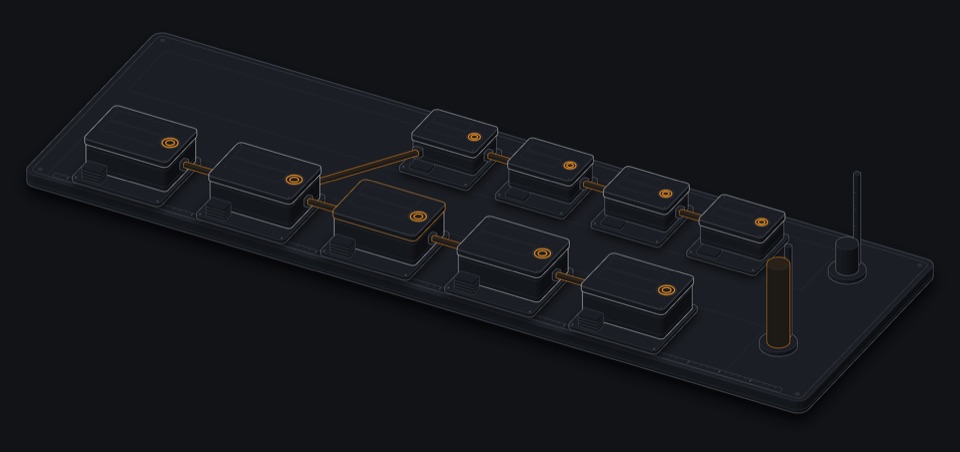
Bitcoin is not a balance. It is a set of spendable pieces.
Learning objective: Explain why spending part of a UTXO creates change.
 03
Bitcoin Fundamentals
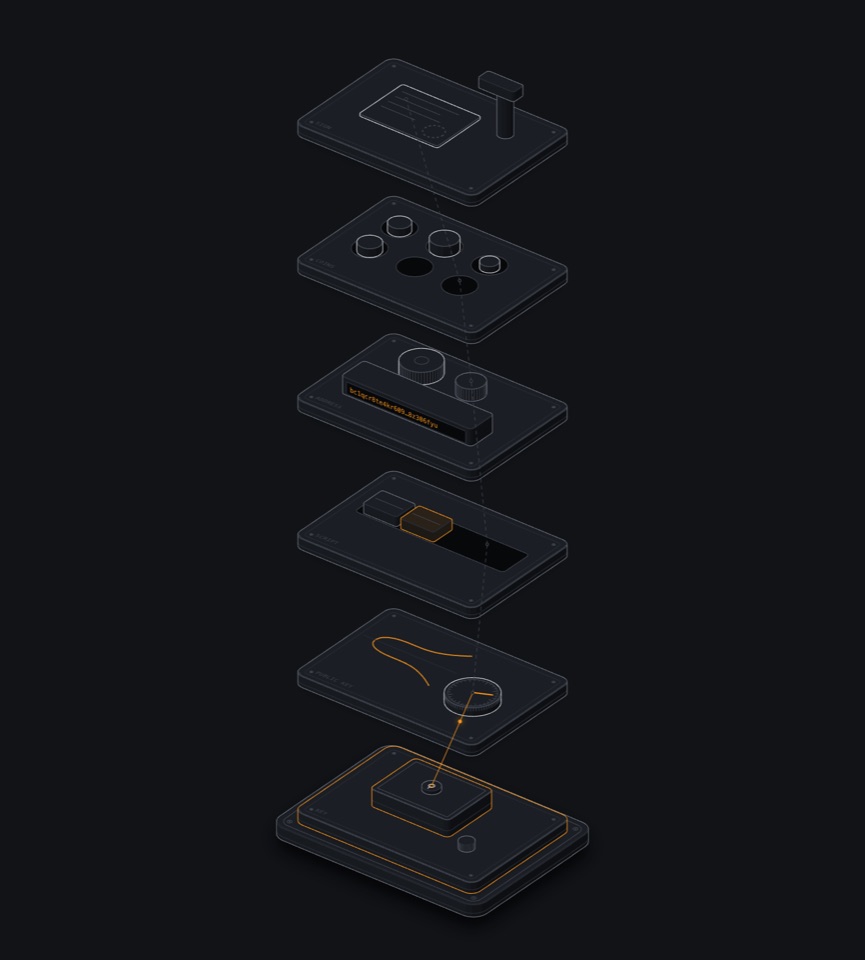
Why changing the past breaks everything after it.
Learning objective: Explain why changing an old block invalidates the blocks after it.
 06
Bitcoin Fundamentals
A wallet holds secrets, not coins.
Learning objective: Explain that a wallet stores keys while coins live on the chain.
 19
Bitcoin Fundamentals
A fingerprint for any data, computed step by step.
Learning objective: Explain why the same input always gives the same hash and a tiny change gives a very different one.
Keeping keys safe, and why rewriting Bitcoin's history gets harder with every block.
 07
Security
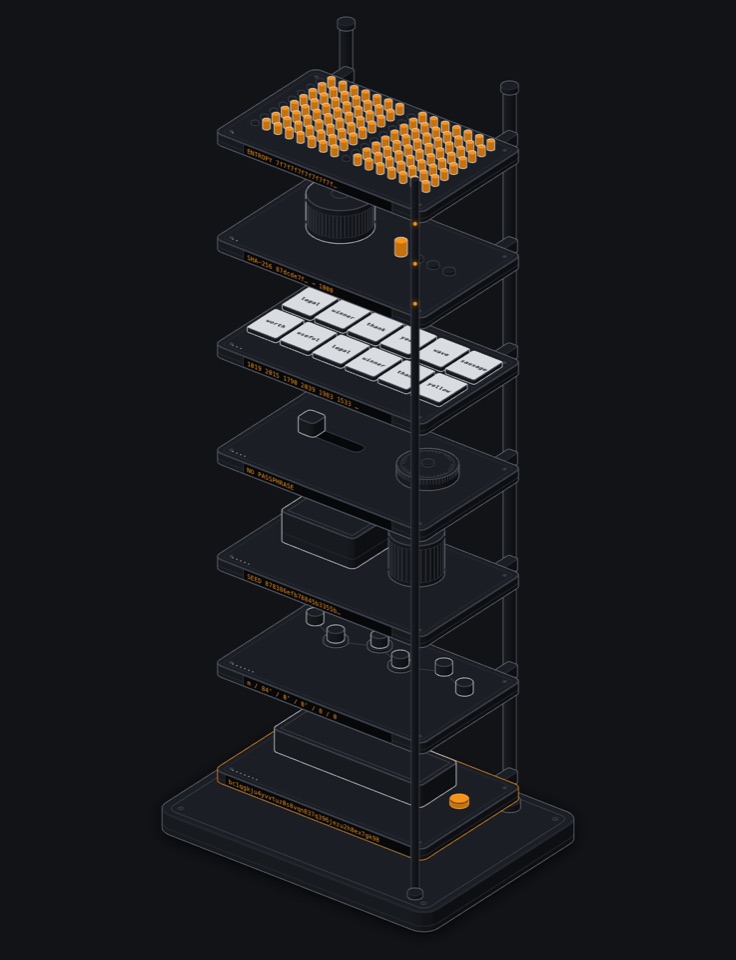
How twelve words can rebuild an entire wallet.
Learning objective: Explain why anyone with your recovery phrase controls your bitcoin.
 08
Security
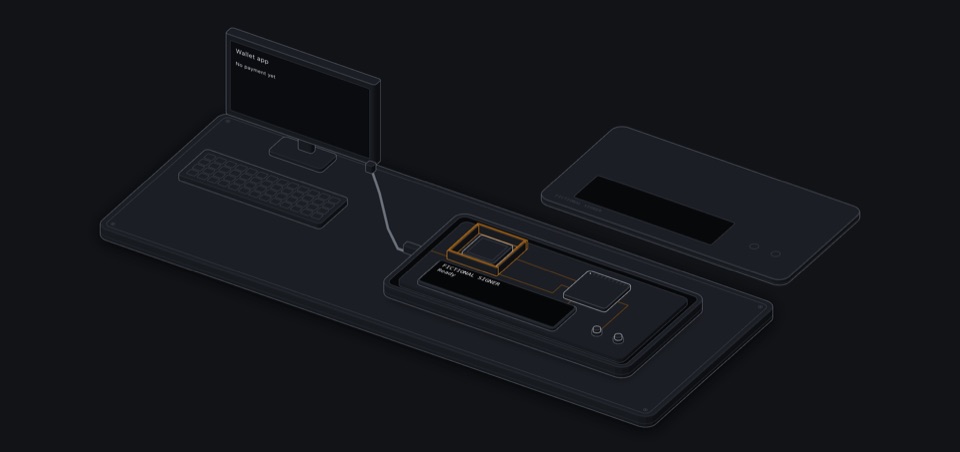
Why the screen on the device is the one you trust.
Learning objective: Explain why the private key never leaves the device.
 15
Security
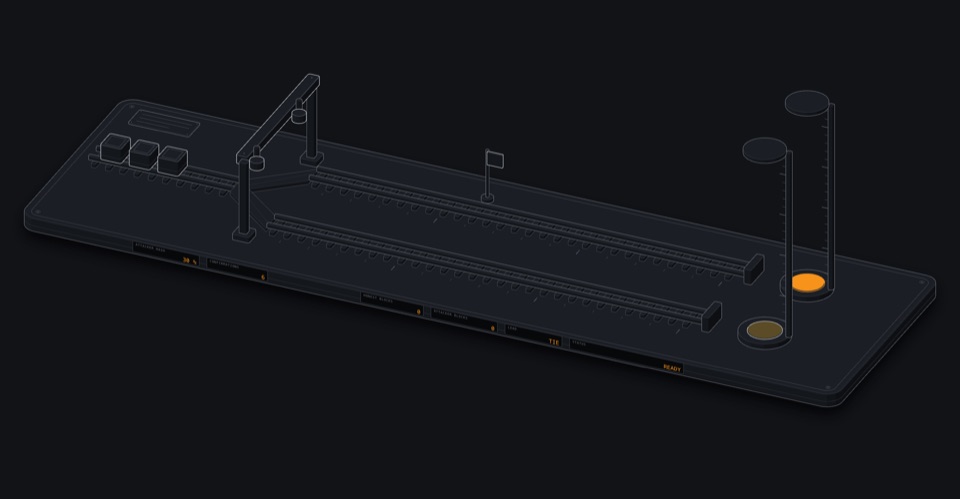
Why rewriting history gets harder with every block.
Learning objective: Explain why more confirmations make a payment safer.
 18
Security
Why the latest channel state must be protected.
Learning objective: Explain why publishing an old channel state is risky for the cheater.
 20
Security
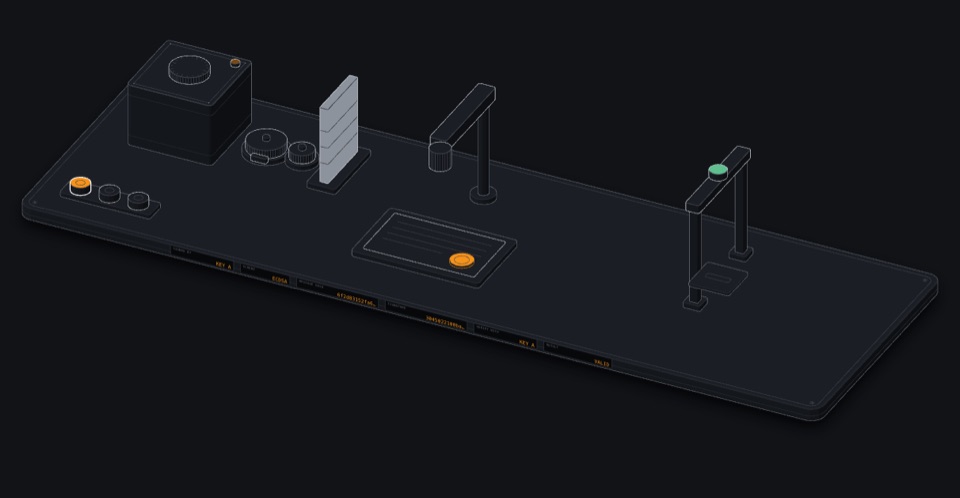
Proving authorization without revealing the key.
Learning objective: Explain why a signature proves approval without exposing the private key.
Nodes passing data, miners searching for blocks, the market for space in them, and Lightning payment channels on top.
 11
Network
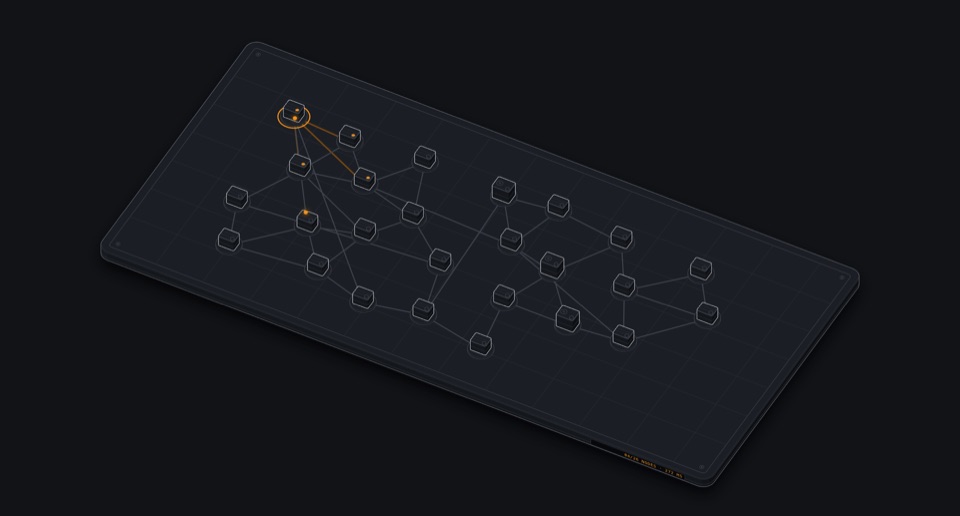
Thousands of independent computers, no centre.
Learning objective: Explain why no single computer controls Bitcoin.
 02
Network
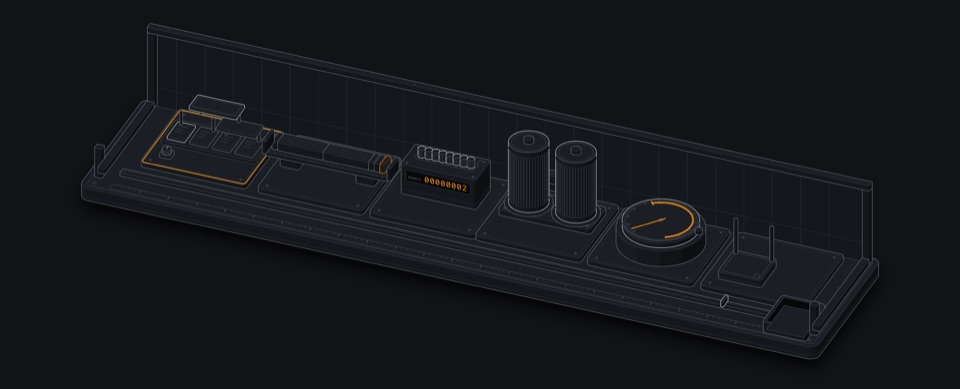
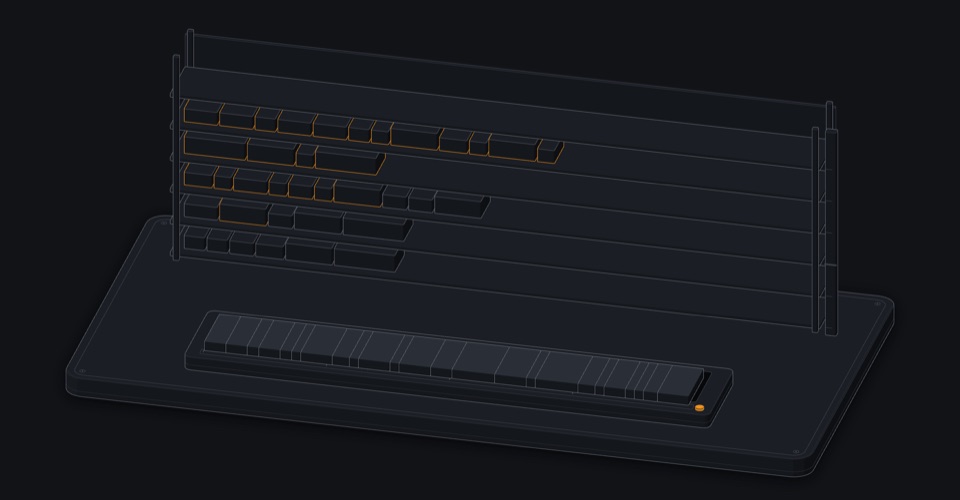
See the guessing game that secures every block.
Learning objective: Explain mining as repeated guessing that is hard to do and easy to check.
 10
Network
Why fees rise and fall, and how miners fill a block.
Learning objective: Explain why limited block space creates a fee market.
 16
Network
Many payments, two blockchain transactions when closed cooperatively.
Learning objective: Explain why payments inside a channel do not each need a blockchain transaction.
 17
Network
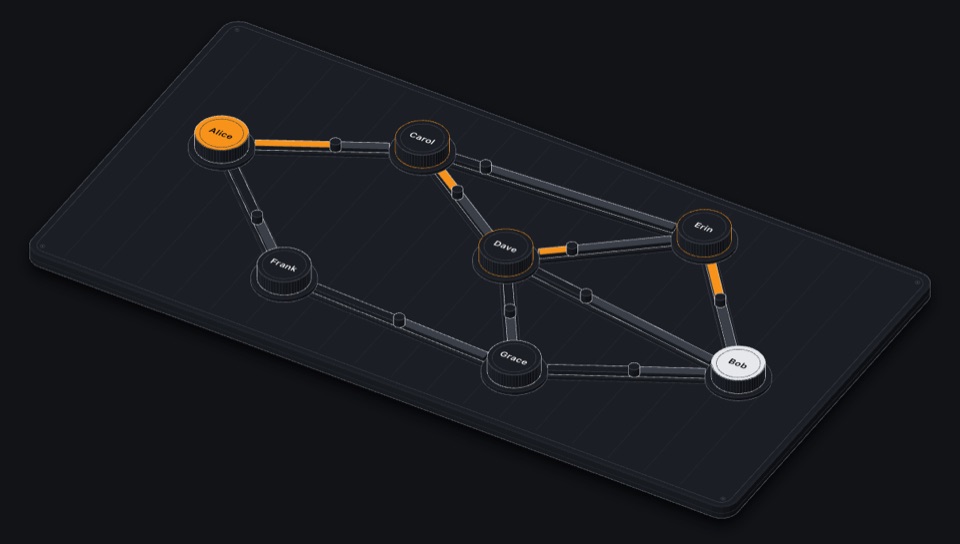
Paying across a network of channels.
Learning objective: Explain how a payment can reach someone without a direct channel.
The issuance schedule, how monetary systems differ, and Bitcoin's history.
 12
Economics
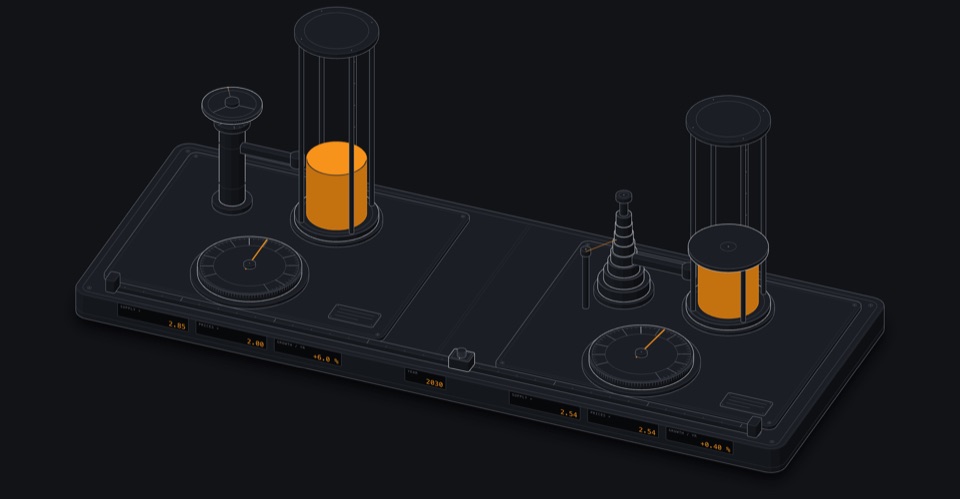
Why new bitcoin arrives ever more slowly.
Learning objective: Explain why issuance decreases every 210,000 blocks.
 13
Economics
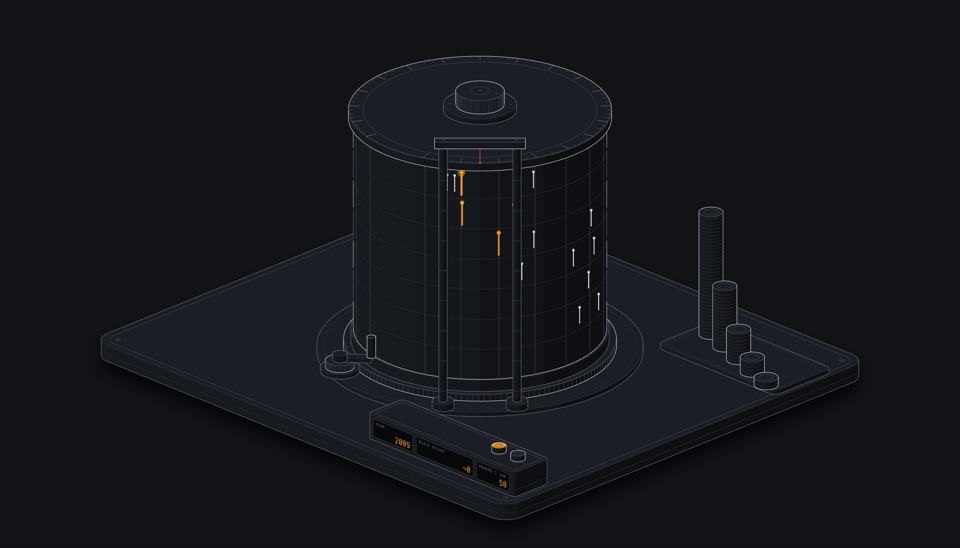
Two sets of rules for creating money, side by side.
Learning objective: Explain that money can be created by discretionary decisions or by fixed rules.
 14
Economics
From a nine-page paper to a global network.
Learning objective: Name the main stages of Bitcoin's history.
The difficulty feedback loop and multi-key custody, for learners ready for the mechanics.
 05
Advanced
How Bitcoin brings its rhythm back when mining power joins or leaves.
Learning objective: Explain why the puzzle difficulty changes.
 09
Advanced
Shared control: no single key can open it alone.
Learning objective: Explain why a 2-of-3 vault survives one lost key.
Three pieces that connect the models: a map of the ideas, a lab for experiments and an observatory for the network.
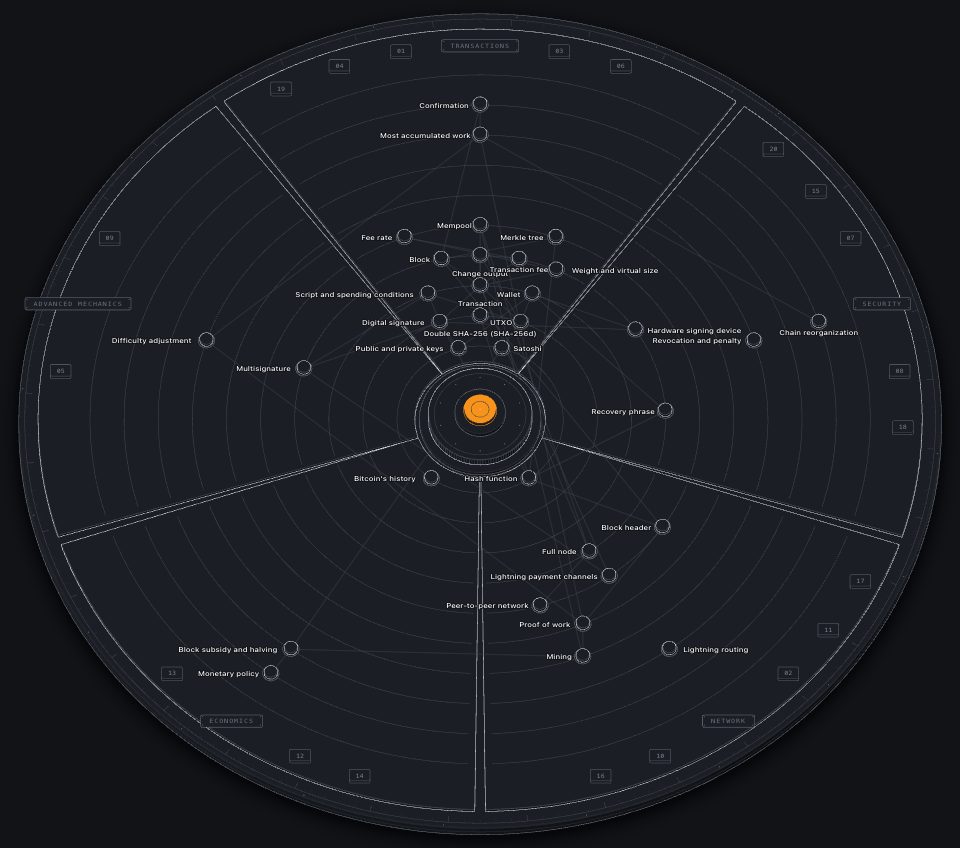
An interactive map of how Bitcoin concepts connect: prerequisites, five knowledge regions and the models that teach each concept.
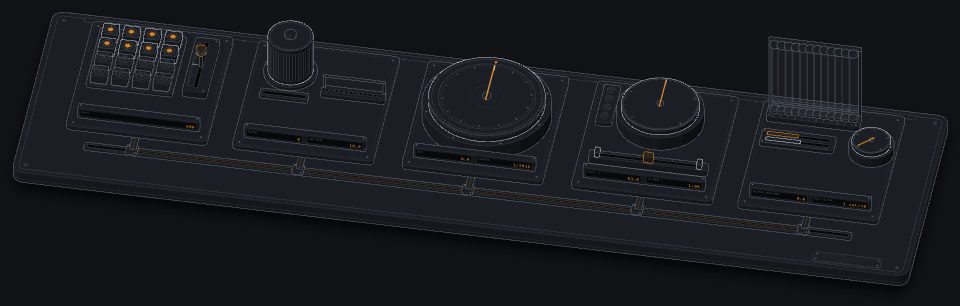
Run Bitcoin experiments on one bench: what happens when half the miners disappear, when mining power doubles, or when demand rises. One seeded simulation, Bitcoin's real difficulty rule, stated assumptions.
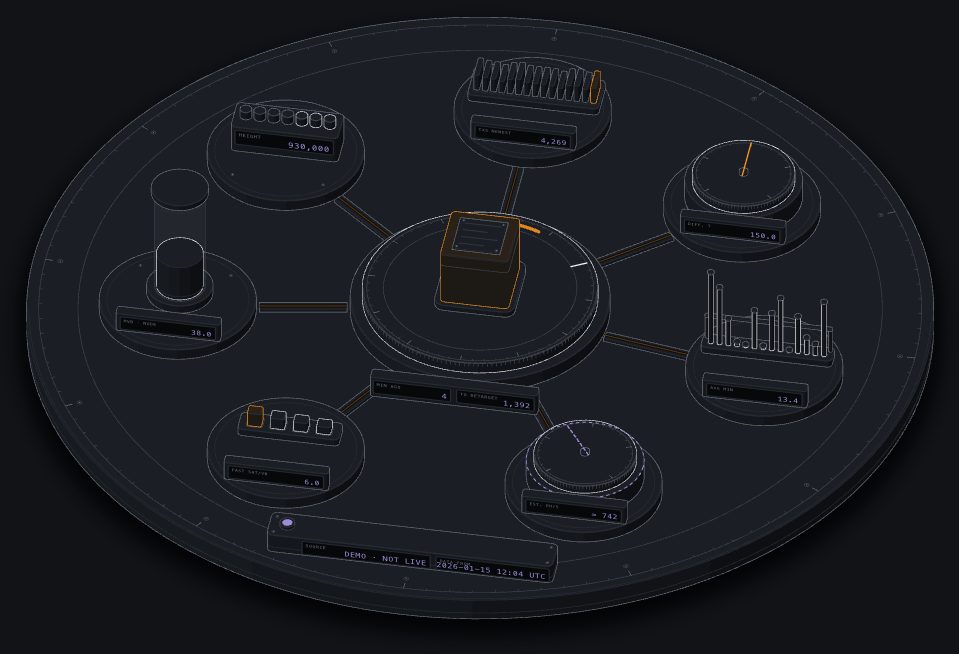
The state of the Bitcoin network on one observatory: latest block, intervals, difficulty, mempool, fees and estimated hash rate. Demonstration data by default; live data only after you agree.
No model matches both filters.
Learning times are estimates for trying all three levels. Previews are captured from the models themselves.